“An impassioned generational perspective on how to stay sane amid climate disruption.”
Climate and environment-related fears and anxieties are on the rise everywhere. As with any type of stress, eco-anxiety can lead to lead to burnout, avoidance, or a disturbance of daily functioning.
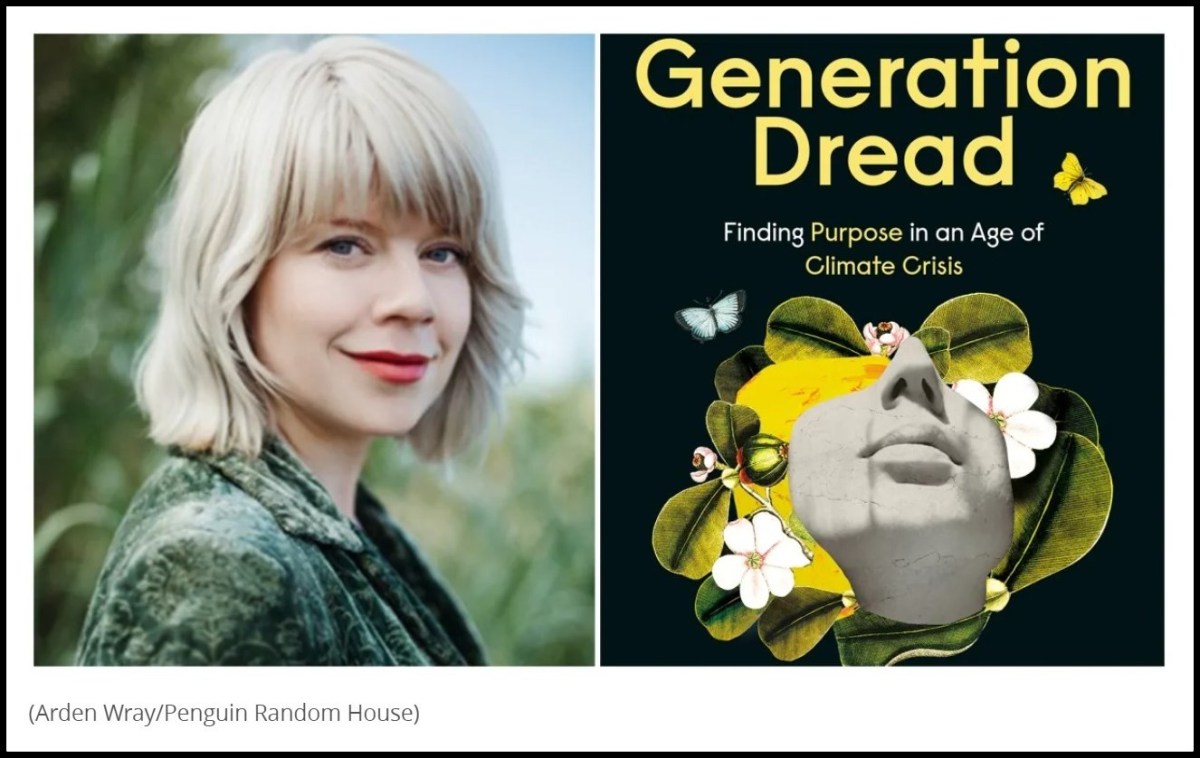
In Generation Dread, Britt Wray seamlessly merges scientific knowledge with emotional insight to show how these intense feelings are a healthy response to the troubled state of the world.
BOOK LAUNCH — Generation Dread: Finding Purpose in an age of Climate Crisis
Britt Wray on Generation Dread — On CBC Ideas, Thursday, May 26, 2022 In a world of climate crisis and inaction, the kids are not alright. Neither are many adults, including those considering parenthood. Science writer and scholar Britt Wray was one of the latter when she made a 2018 IDEAS documentary on the topic. Now she is a postdoctoral researcher at Stanford University, specializing in the mental health impacts of the ecological crisis. Her new book details her work and conversations, and synthesizes her insights. It shares productive ways to cope, think, and act while facing an anxious ecological present and uncertain future. At an event recorded at the Toronto Reference Library, Britt Wray talks to Nahlah Ayed about Generation Dread: Finding Purpose in an Age of Climate Crisis. — CBC Ideas | Schedule (May) | Radio Schedule | Podcast
When you look out your window, it is common to see neatly maintained grass lawns fronting the neighbouring properties—this is all part of the long-standing “American Dream.” But, as aNative Plant News article explains, the ideal lawn grass is native to Europe rather than North America. This grass species is poorly suited to our climate and usually requires fertilizers, all the while risking being overrun by other plants (such as clovers or dandelions).
But before you bring out the herbicides to remove these broad-leaf plants, let’s take a look into these chemicals.
Herbicides
Herbicides, pesticides, insecticides, fungicides—these “icides” can get quite confusing. Pesticides are known for their general removal of pests, and as a result, they are considered the overarching family name. While herbicides, insecticides and fungicides are pesticide subsets—each with specific targets to remove (plants, insects and fungi, respectively).
The use of pesticide chemicals has long been debated over, and while there are some benefits to their use, there are also many drawbacks. For example, pesticide use increases food production in the agriculture industry by negating insects or aggressive plants, but decreases the local biodiversity of plants and insects (both targeted and unintentionally targeted species). They also increase the likelihood of human health complications.
Bringing pesticides to the home for cosmetic uses (aesthetics and visual appeal) increases the interactions between people and the chemicals. While the Government of Ontario regulates cosmetic pesticides, organizations like the Canadian Association of Physicians for the Environment (CAPE) have expressed health concerns over their allowed use.
According to Dr. Jane McArthur, Toxics Campaign Director at CAPE, “Children are especially vulnerable during the early stages of physical development and periods of rapid growth.”
Depending on the mother’s exposure during pregnancy, there is an increased risk of childhood cancers and premature births. And in adults, there is an increased risk of cancers, lung complications and Parkinson’s disease.
“A need remains for public education on achieving beautiful, healthy landscapes without harmful chemicals”
But if we stop using herbicides, won’t the lawn be overtaken by weeds?
Let’s talk monocultures
Everyone knows the struggle each spring to remove all weeds from our lawn before they go to seed and stay indefinitely, and then the upkeep throughout the year. Together, this is what creates a monoculture (single species) lawn. While the uniform look may be pleasing, did you know this maintenance is harming your lawn’s health? Polyculture (multiple species) lawns are different, as you can see from the comparison below.
Monoculture Lawns
Intense weed control
Lack of resilience to environmental factors
Often require additional fertilizers
Polyculture Lawns
Less (or no) weeding
More resilient to environmental factors (such as drought)
The mix of species help maintain/cycle nutrients in the soil
In your lawn maintenance, get rid of a couple of weeds that annoy you, but consider leaving some other ones like clover, violets and wild strawberries that will help keep your lawn healthy!
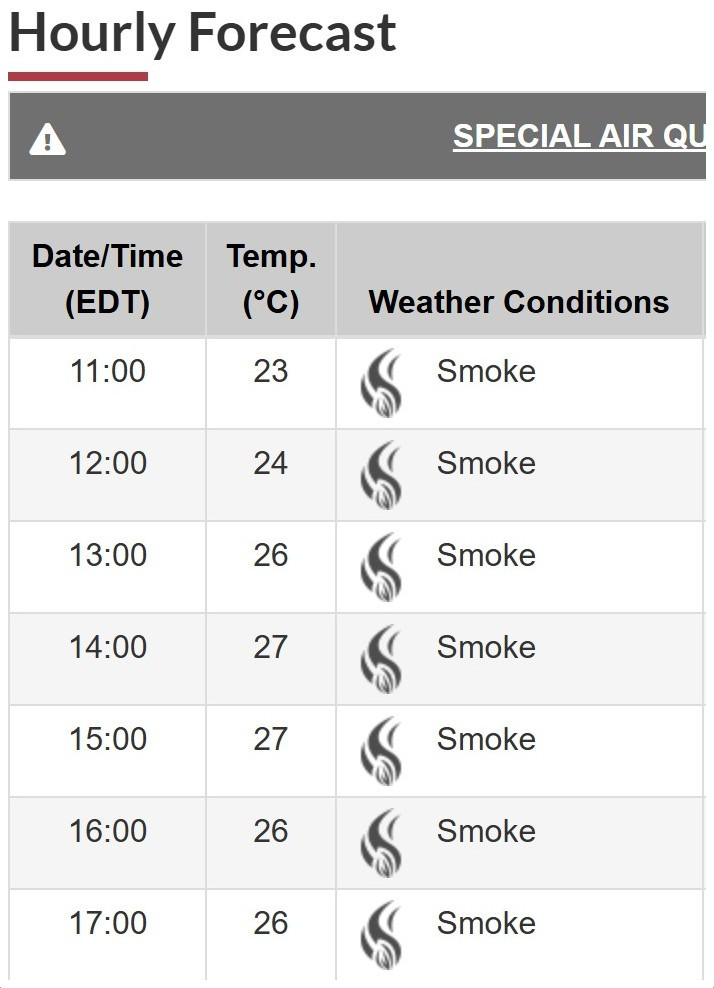
Ottawa faced extreme heat warnings last week, proving climate change is here and its effects are impacting us. This coincided with the Intergovernmental Panel on Climate Change issuing their dire report on how the climate will fare under the current predictions.
Under the report, Canada is expected to experience a continuation of rising temperatures, while CBC reported that heatwaves are expected to become more frequent and more severe as temperature continue to climb year-round.
3 Ways to help reduce your impact on the climate
Keep in mind your carbon footprint—this is the representation of the amount of greenhouse gases that your actions generate (calculate yours here).
Shop local and reduce the kilometres your food has to travel.
We also touched base with Ottawa Public Health regarding the heat warnings. They explained that “heat warnings issued by Environment and Climate Change Canada mean extra precautions need to be taken by everyone… it [is] important to think ahead and plan for ways to stay cool while respecting Public Health COVID-19 prevention measures.”
Engage in outdoor activities during the coolest parts of the day (typically in the early morning and evening).
When going out in the sun, wear sunscreen and remember to reapply.
Consume plenty of fluids (water is best) throughout the day, even if you don’t feel thirsty!
Wear light-coloured and loose clothing.
For more tips and tricks, check out Ottawa Public Health’s page on Beating the Heat!
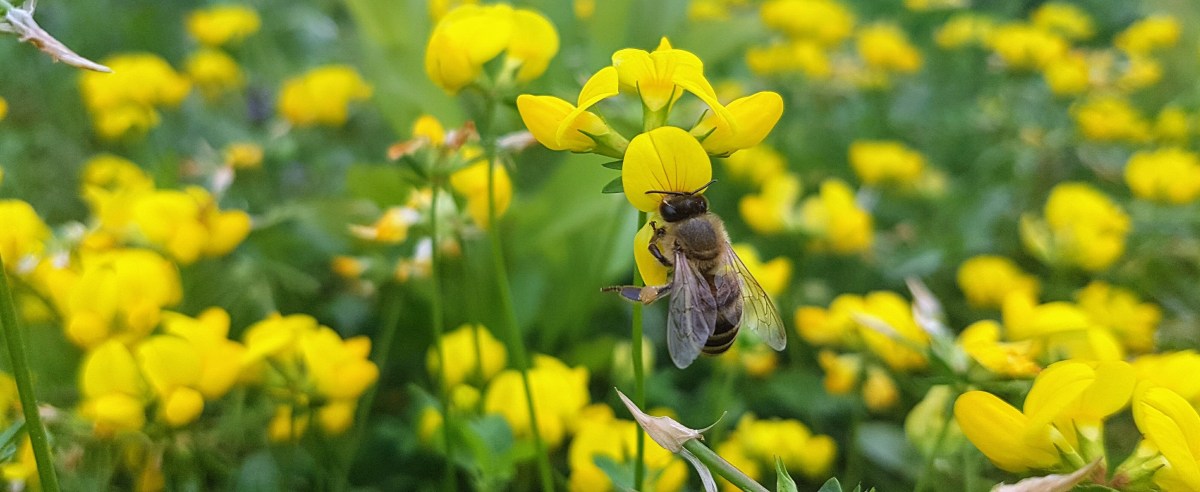
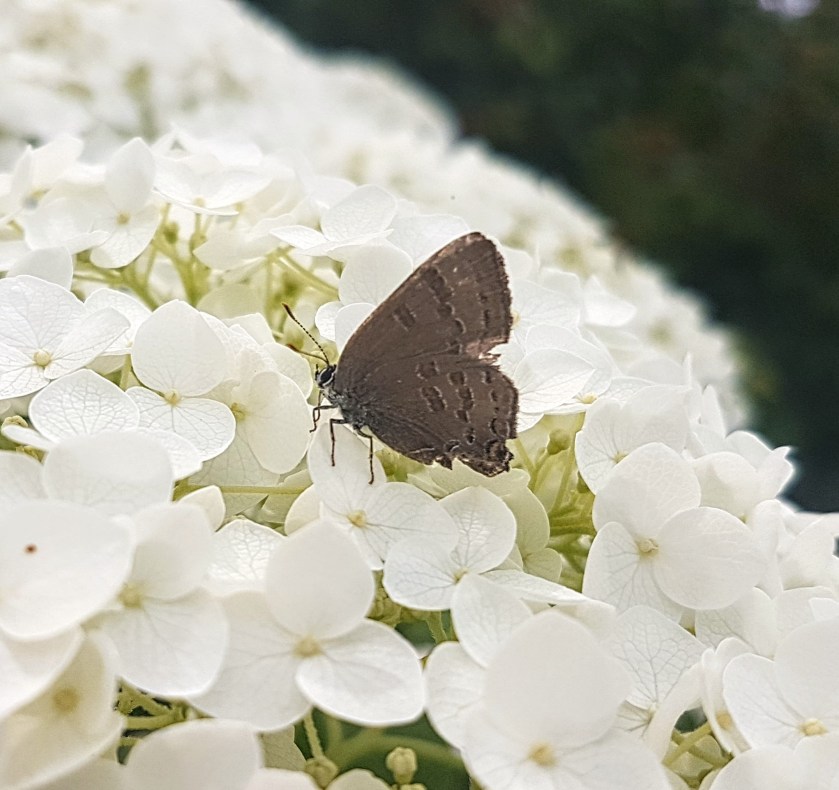
We got the chance to sit down and chat with Pollinator Partnership Canada’s (P2C) director, Victoria Wojcik, and see how P2C is helping pollinators—bees, butterflies and other creatures—to build resilience in the face of growing challenges.
Wojcik started off by detailing how crucial pollinators are to our society: “Every terrestrial system is pollinator dependent, the degree varies, but it’s really high… 85-95%.” This means that 85-95% of plants depend on pollinators to survive, and we humans depend on them too.
Pollinators are mainly considered for their role in food production, but they also play a part in the production of textiles and fibers for clothing, furniture, pharmaceuticals, and other goods.
Despite their importance, the driver of pollinator population decline is habitat loss, which is made worse by pesticide use, pests and disease, invasive species and climate change. Vital ecosystems are being transformed into different land uses, including residential neighbourhoods and commercial centres. Development of agricultural land is twice as bad—taking away from pollinator habitats and adding to the risk of pesticide pressure.
“Every terrestrial system is pollinator dependent, the degree varies, but it’s really high… 85-95%”
Climate change is another factor impacting pollinators, causing lasting negative temperatures and changing precipitation levels. Wojcik described how insects tend to follow cues based on temperature; with climate change, this risks a “dissociation between when plants are normally in bloom, and when their pollinators emerge.” This could result in both species struggling—plants being pollinated late and pollinators missing out on food sources.
Wojcik emphasises that actions to save pollinators are not a lost cause. While climate change will likely cause us to lose some species and declines in some populations, there will also be some that thrive. The key, she said, is the choices we make.
“What helps pollinators is everyone making better choices, different choices that lessen the impacts that are harmful”
P2C’s goal is to help people make these better choices. Their Ecoregional Planting Guides help gardeners by detailing native pollinators found in the area and lists of native plants they prefer. In partnership with Bee City Canada, cities and schools are becoming certified bee-friendly—meaning they’re actively working towards a better pollinator future. Further, P2C runs a Pollinator Stewardship Certification program to help citizens take a more active role in pollinator conservation. The program involves educating participants about pollinator ecology, habitat creation, and public education strategies.
According to Wojcik, everyone can help pollinators in three simple but meaningful ways. These include:
Planting native species—Even one plant will make a difference. If everyone in the city of Ottawa planted one native species, there would be more than 1.4 million new plants!
Shopping local and sustainable—This helps decrease your individual food miles and reduces pesticide pressure on pollinators.
Spreading the word—Inform people about the challenges pollinators face and what everyone can do to help.
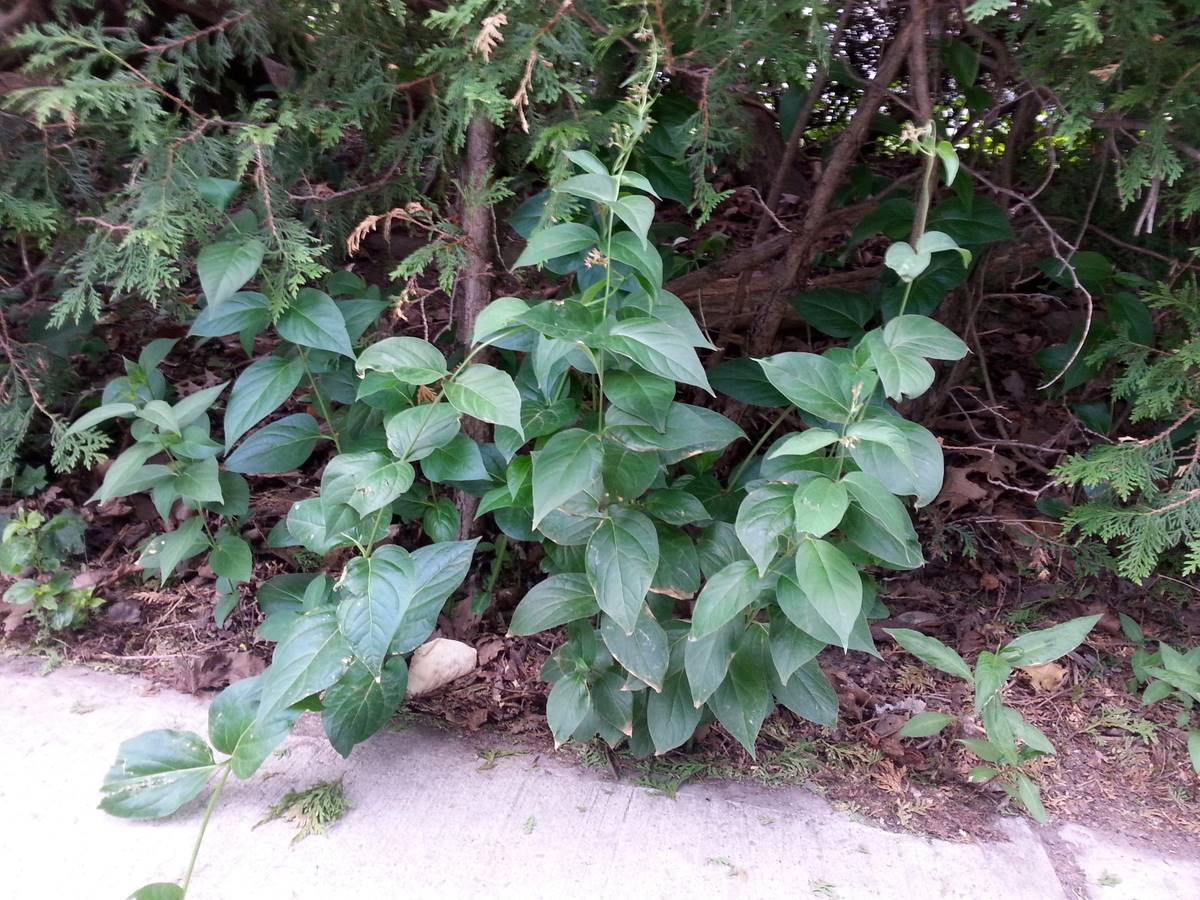
Dog-strangling vine in Kanata (Photo credits to Green Ottawa)
Don’t worry, your dog is safe
Contrary to the name, dog-strangling vine will not harm your pet, but rather outcompetes or “strangles” native species and young saplings. As a particularly aggressive invasive species, it has been spreading rapidly throughout the province.
What does it look like?
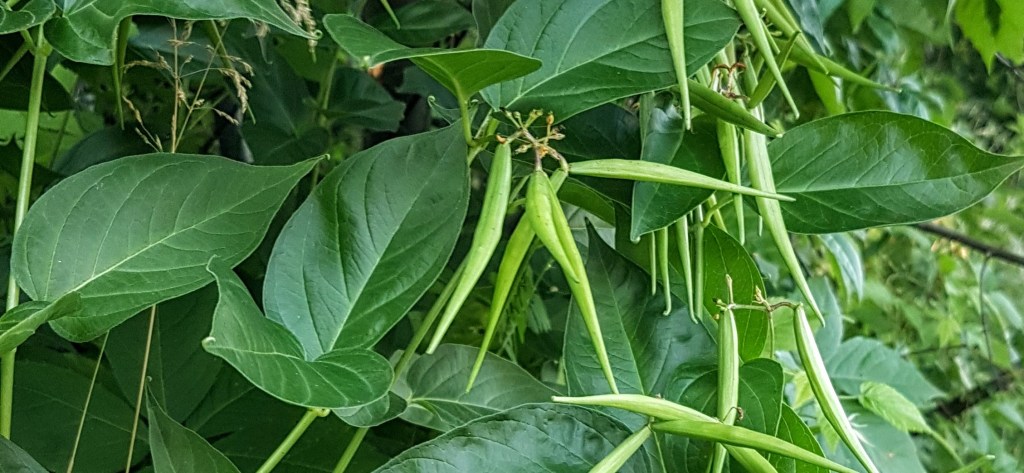
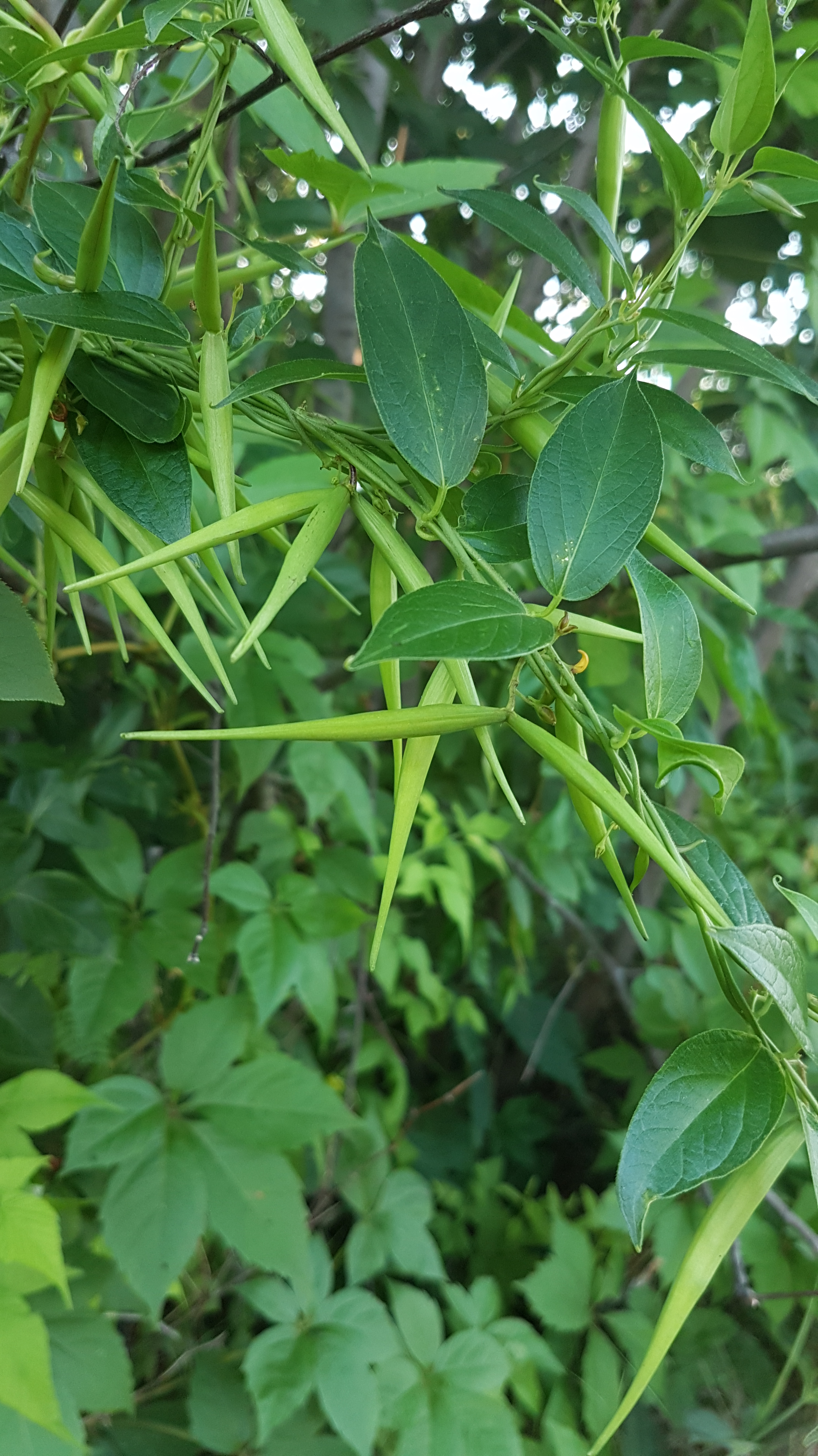
Dog-strangling vine (Photo credits to Green Ottawa)
Stem: Typically grows 1–2 meters tall and wraps around nearby structures
Leaves: Grow on opposite sides of the stem, are about 12 cm long and are oval shaped with pointed tips
Flowers: Range from pink to dark purple, star shaped (5 petals and between 5–9 mm long)
Seed pods: Bean shaped, about 4–7 cm long and release feathery white seeds towards the end of summer
Why is it a problem?
By taking over landscapes, it not only threatens native plants but all species that rely on them and the ecosystem they create. The monarch butterfly is once such species being threatened. They lay their eggs on dog-strangling vine (confusing it with milkweed) and the caterpillars starve, unable to eat the plant. Further, browsing animals like deer avoid eating it, allowing for its range to grow (choking out native plants even more), while the roots and leaves may also be toxic for livestock.
How to remove it
Dog-strangling vine needs to be removed before it begins to outcompete native species. As cutting or mowing the plant will cause it to grow faster and flower again, uprooting is the best means of removal. Digging out as much root as possible will also have a substantial impact. The City of Ottawa advises that plant material be dried out at the site (if possible), placed in a black garbage bag in the sun for at least a week and thrown out with the garbage.
Do not burn the plant material or place in the green bin/compost — it will continue to spread.
***
Check out our sources for a more in-depth review of dog-strangling vine!













 Green Ottawa