
Addicted to War:
Book, Video | Peace Action | Peace groups & Organizations
It’s up to each of us — take action for Peace and Climate.

Addicted to War:
Book, Video | Peace Action | Peace groups & Organizations
It’s up to each of us — take action for Peace and Climate.
Do you want life, peace, family, freedom?
Every step we take can reduce the greed for oil, the wars, the tyranny, the climate chaos. One pair of walking shoes. One bicycle. One more solar panel. Maybe even one less car, for those who have that choice.
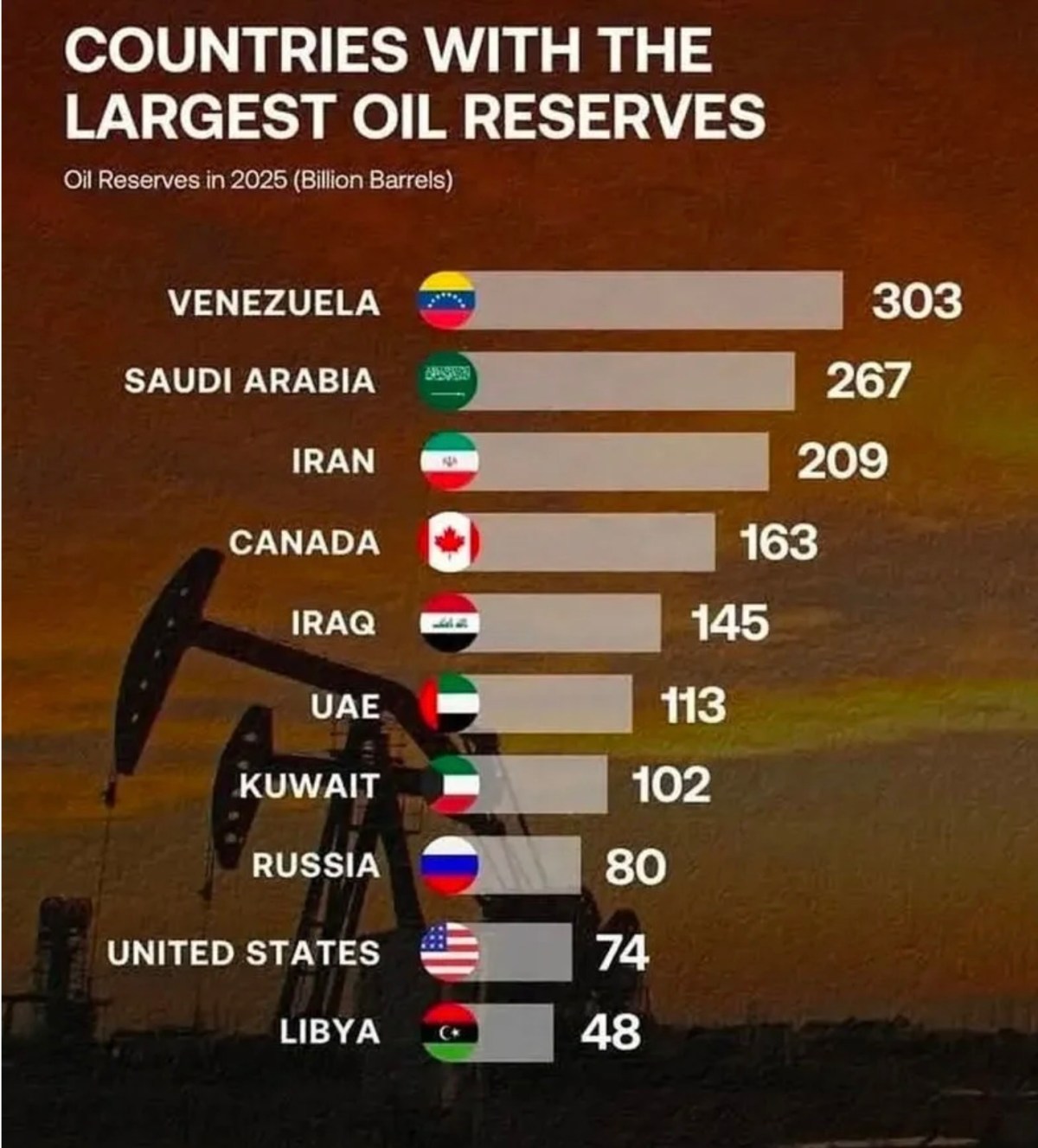
Why is the US attacking Venezuela? Drugs? Socialism? Terrorism? Nope. It’s all about outdated, fossil fuels. More and more of it, never enough.
Why? So they can lead unhappy, consumer-addicted lifestyles? Like spoiled 2-year-olds?
“Waaah, I don’t wanna install solar panels.” “Waaah, I don’t wanna think about climate change”, said Mr. Trump.
You may not have voted for Trump. But if you’re driving that big SUV, if you’re buying things you don’t need, if you’re flying to “get away” — you’re supporting Mr. Trump’s wars and destruction.
But instead of making your kids safer, happier or healthier… you’re only destroying their world.
Each time we press that little gas pedal, we’re helping Mr. Trump wage war on life, on our kids, our communities, and the entire planet.
The good news is that there is a better way. We are surrounded by much better choices for living happy, healthy, sustainable lives. It’s so easy to shift our priorities, our money, to much more sensible choices than Mr. Trump and his cronies.
Please join us as we grow a better world for all. Take action for Peace and Climate — even change careers and do something really pivotal.
“Just possibly it’s the oil”, by Bill McKibbon
https://billmckibben.substack.com/p/just-possibly-its-the-oil
Climate gives us everything we need to live.
It gives us everything that we love, cherish, everything we care about.
To ignore that— or pretend we’re helpless and nothing can be done — is so much less than what we were meant to be.
Even in the darkest moment – especially in the darkest moment – there is hope.
If we take action.
Will you join the team?
Take action on Climate – GoodWork.ca/TakeAction
Jobs, careers, volunteering – GoodWork.ca/Now | Climate Jobs
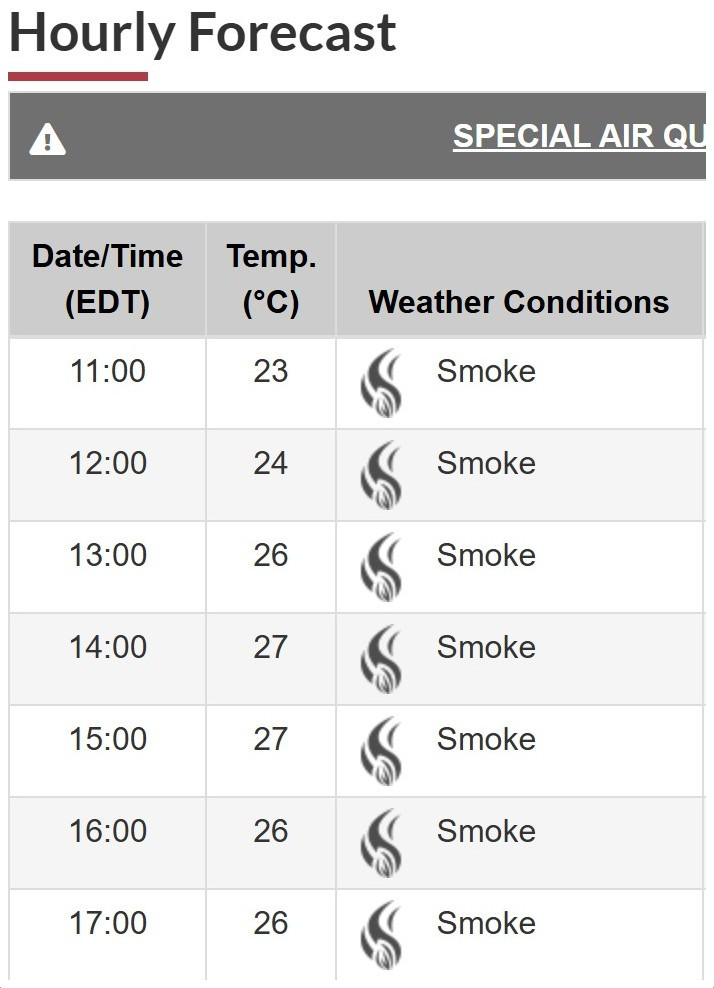
Will we let this be the ‘new normal’?
Scientists around the world say this will become a steamroller, out of control. Unless we take our feet off the gas, choose a better way.
Can we be creative, rise to a challenge?
Or, let force of habit lead us into a dark, downward spiral ?
Are we all standing around waiting for someone else to do something about it?
Or will you step forward, before it’s too late?
What can you do — Take action for climate.
Saturday, September 20th, 2025.
Even when the ‘wolves’ seem to be winning, don’t let it get us down! Real change comes from the heart. We will overcome!
Let’s work for it – GoodWork.ca/Climate. Climate jobs, careers, participation & volunteer positions.
Image source: 1 Million Women, AU
Work for #climateaction — GoodWork.ca/Climate
#climatecrisis #climateemergency #climatecollapse vs. #climateaction
“An impassioned generational perspective on how to stay sane amid climate disruption.”
Climate and environment-related fears and anxieties are on the rise everywhere. As with any type of stress, eco-anxiety can lead to lead to burnout, avoidance, or a disturbance of daily functioning.
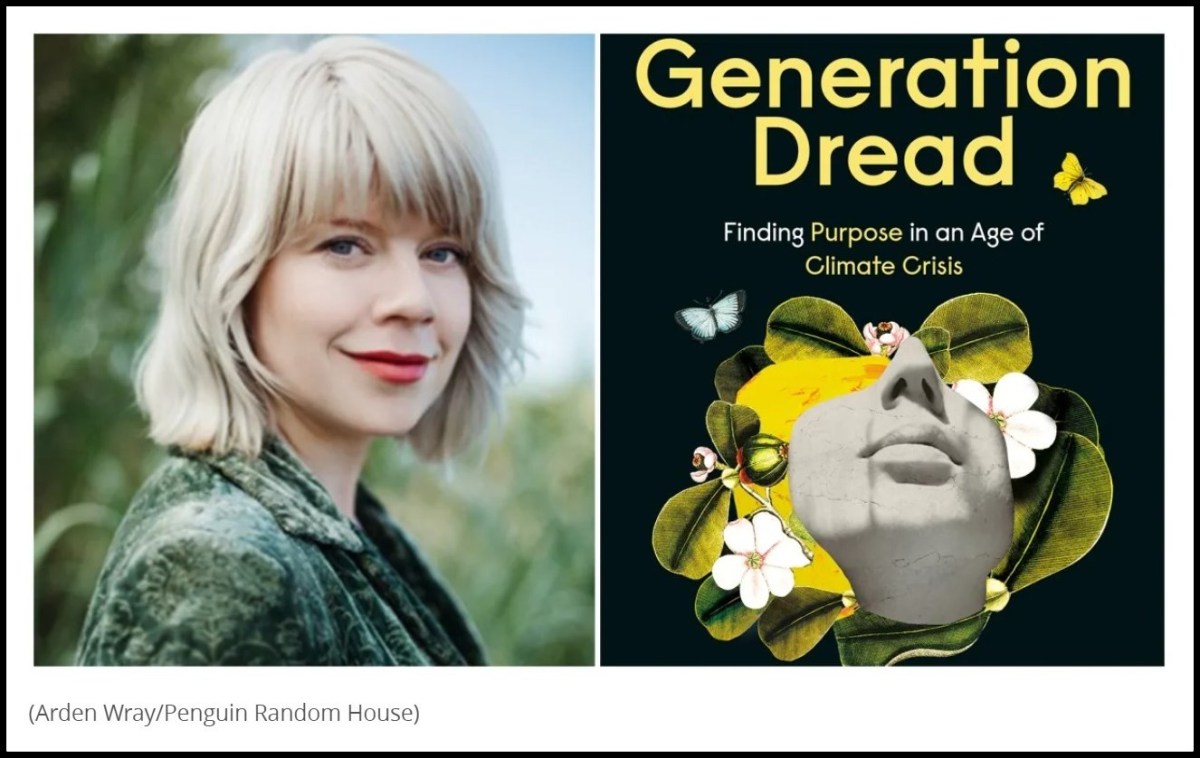
In Generation Dread, Britt Wray seamlessly merges scientific knowledge with emotional insight to show how these intense feelings are a healthy response to the troubled state of the world.
Now available in bookstores, audiobook and e-book… GoodWork.ca/BrittWray
Britt Wray on Generation Dread — On CBC Ideas, Thursday, May 26, 2022
In a world of climate crisis and inaction, the kids are not alright. Neither are many adults, including those considering parenthood. Science writer and scholar Britt Wray was one of the latter when she made a 2018 IDEAS documentary on the topic. Now she is a postdoctoral researcher at Stanford University, specializing in the mental health impacts of the ecological crisis. Her new book details her work and conversations, and synthesizes her insights. It shares productive ways to cope, think, and act while facing an anxious ecological present and uncertain future. At an event recorded at the Toronto Reference Library, Britt Wray talks to Nahlah Ayed about Generation Dread: Finding Purpose in an Age of Climate Crisis. — CBC Ideas | Schedule (May) | Radio Schedule | Podcast
“The antidote to anxiety is action”
When you look out your window, it is common to see neatly maintained grass lawns fronting the neighbouring properties—this is all part of the long-standing “American Dream.” But, as a Native Plant News article explains, the ideal lawn grass is native to Europe rather than North America. This grass species is poorly suited to our climate and usually requires fertilizers, all the while risking being overrun by other plants (such as clovers or dandelions).
But before you bring out the herbicides to remove these broad-leaf plants, let’s take a look into these chemicals.
Herbicides
Herbicides, pesticides, insecticides, fungicides—these “icides” can get quite confusing. Pesticides are known for their general removal of pests, and as a result, they are considered the overarching family name. While herbicides, insecticides and fungicides are pesticide subsets—each with specific targets to remove (plants, insects and fungi, respectively).
The use of pesticide chemicals has long been debated over, and while there are some benefits to their use, there are also many drawbacks. For example, pesticide use increases food production in the agriculture industry by negating insects or aggressive plants, but decreases the local biodiversity of plants and insects (both targeted and unintentionally targeted species). They also increase the likelihood of human health complications.
Bringing pesticides to the home for cosmetic uses (aesthetics and visual appeal) increases the interactions between people and the chemicals. While the Government of Ontario regulates cosmetic pesticides, organizations like the Canadian Association of Physicians for the Environment (CAPE) have expressed health concerns over their allowed use.
According to Dr. Jane McArthur, Toxics Campaign Director at CAPE, “Children are especially vulnerable during the early stages of physical development and periods of rapid growth.”
Depending on the mother’s exposure during pregnancy, there is an increased risk of childhood cancers and premature births. And in adults, there is an increased risk of cancers, lung complications and Parkinson’s disease.
“A need remains for public education on achieving beautiful, healthy landscapes without harmful chemicals”
But if we stop using herbicides, won’t the lawn be overtaken by weeds?
Let’s talk monocultures
Everyone knows the struggle each spring to remove all weeds from our lawn before they go to seed and stay indefinitely, and then the upkeep throughout the year. Together, this is what creates a monoculture (single species) lawn. While the uniform look may be pleasing, did you know this maintenance is harming your lawn’s health? Polyculture (multiple species) lawns are different, as you can see from the comparison below.
Monoculture Lawns

Polyculture Lawns

In your lawn maintenance, get rid of a couple of weeds that annoy you, but consider leaving some other ones like clover, violets and wild strawberries that will help keep your lawn healthy!
***
Additional Resources
Article Photos: Green Ottawa

Ottawa faced extreme heat warnings last week, proving climate change is here and its effects are impacting us. This coincided with the Intergovernmental Panel on Climate Change issuing their dire report on how the climate will fare under the current predictions.
Under the report, Canada is expected to experience a continuation of rising temperatures, while CBC reported that heatwaves are expected to become more frequent and more severe as temperature continue to climb year-round.
3 Ways to help reduce your impact on the climate
Tips for heatwaves
We also touched base with Ottawa Public Health regarding the heat warnings. They explained that “heat warnings issued by Environment and Climate Change Canada mean extra precautions need to be taken by everyone… it [is] important to think ahead and plan for ways to stay cool while respecting Public Health COVID-19 prevention measures.”
For more tips and tricks, check out Ottawa Public Health’s page on Beating the Heat!



 Green Ottawa